E-mail: sales001@bosschemical.com JINAN BOSS CHEM CO.,LTD
Telephone: +86-15628782329

- All
- Product Name
- Product Keyword
- Product Model
- Product Summary
- Product Description
- Multi Field Search
 |


7446-19-7
bosschemical
7446-19-7
Zinc sulfate monohydrate (ZnSO₄ ⋅ H₂O) is a highly soluble, crystalline white chemical compound containing roughly 35% elemental zinc. It serves as an essential source of zinc for human dietary supplements, agricultural fertilizers, and various industrial applications like electroplating and water treatment.
Test Item | Test Standard | Test Result | Conclusion |
Appearance | White free flowing powder | White free flowing powder | Pass |
Zinc Sulphate Content, % ≥ | 96.09 | 96.44 | Pass |
Zinc (Zn), % ≥ | 35 | 35.13 | Pass |
Lead (Pb), mg/kg ≤ | 10 | 0.5 | Pass |
Cadmium (Cd), mg/kg ≤ | 10 | 4.2 | Pass |
Arsenic (As), mg/kg ≤ | 5 | 0.3 | Pass |
Particle SizeSieve passing rate (250μm screen), % ≥ | 95 | 98.2 | Pass |
Agricultural Grade
1. Prevention and Control of Plant "White Bud Disease" and "Little Leaf Disease": Zinc is an essential micronutrient for the synthesis of auxins and various metabolic enzymes in plants. Zinc deficiency in corn can cause "white bud disease" or "white seedling disease," while zinc deficiency in fruit trees such as apples and pears can cause "little leaf disease" or "clustered leaf disease." Applying agricultural-grade zinc sulfate through soil application, seed-mixing, seed soaking, or foliar spraying can rapidly replenish zinc sources, significantly improving crop yield and quality.
2. Improvement of Acidic and Sandy Soils: In high-pH saline-alkali or sandy soils, available zinc is easily fixed and inactivated. Adding zinc sulfate can serve as a highly efficient micronutrient fertilizer.
3. Moss Control and Fungicide Application: Utilizing its antifungal and anti-algae properties in flower cultivation, lawn management, and roof mold prevention, it is used as a highly effective moss remover and wood preservative.
Feed Grade
1. Zinc Fortifier in Compound Feed: Zinc is a component of hundreds of enzymes and insulin in animals. Feed-grade zinc sulfate monohydrate/heptahydrate is widely added to complete compound feeds for pigs, chickens, cattle, and sheep.
2. Prevention of diarrhea and promotion of growth in piglets: Zinc maintains the integrity of the digestive tract mucosa in piglets, promotes appetite, improves feed conversion rate, and effectively prevents severe diarrhea caused by immune stress after weaning. It also promotes stronger bone development and fuller feathers in poultry.
Food-grade
1. Food fortification and formulation supplementation: Used as a zinc fortifier in infant formula, dairy products, and solid beverages.
Industrial-grade
1. Coagulation bath for synthetic fibers (viscose fibers): In the chemical fiber textile industry, zinc sulfate is an indispensable component in the coagulation bath for viscose fiber spinning. It slows down the regeneration rate of viscose, thereby giving synthetic fibers extremely high physical strength, flexibility, and dyeing properties.
2. Metal surface treatment and electroplating: Zinc sulfate is the main salt in acidic electroplating zinc processes. Due to its good conductivity and fast deposition rate, it is widely used for anti-corrosion galvanizing of steel plates, steel wires, and mechanical parts.
3. Manufacturing pigments and dyes: It is a core chemical raw material for producing white, non-toxic inorganic pigment zinc barium white, insoluble paints, and printing and dyeing mordants (which help dyes adhere to fibers).
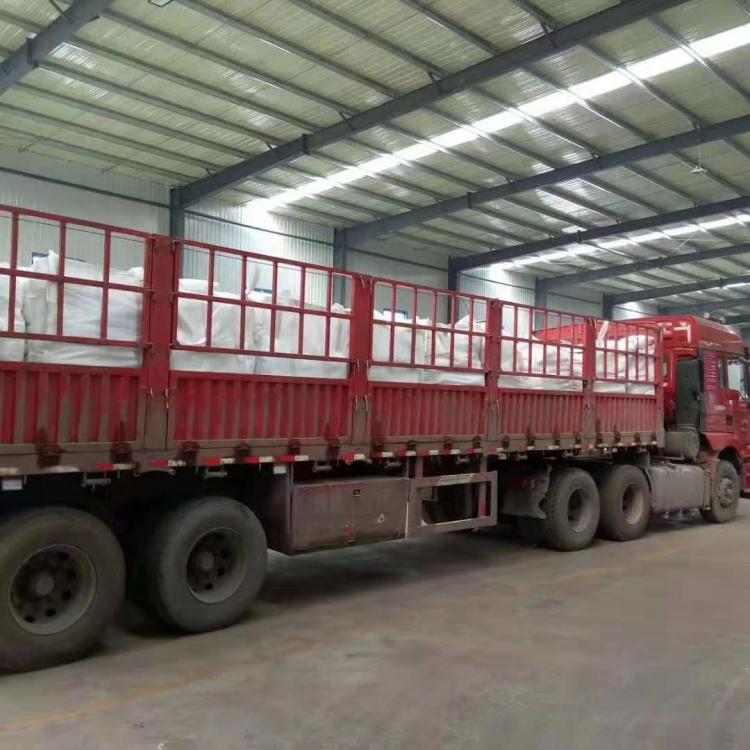
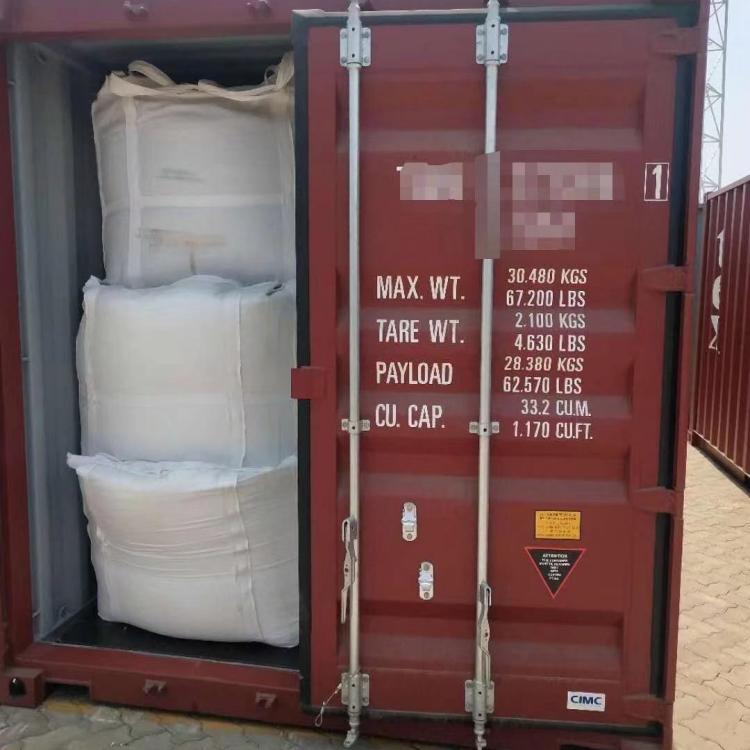
The inner lining is a polyethylene plastic bag, and the outer packaging is a composite plastic woven bag. Each bag weighs 25kg net.

Ultraviolet-Vis Spectrophotometry (UV-Vis)
Infrared Spectroscopy (IR/FTIR)
Atomic Absorption Spectroscopy (AAS)
X-ray Fluorescence Spectroscopy (XRF)
Nuclear Magnetic Resonance Spectroscopy (NMR)
Gas Chromatography (GC)
High Performance Liquid Chromatography (HPLC)
Ion Chromatography (IC)
Thin Layer Chromatography (TLC)
GC-MS / LC-MS/MS: Qualitative and Quantitative Analysis
ICP-MS: Trace Metal Elements (ppb Level)
TOF-MS: Precise Molecular Weight Determination
