E-mail: sales001@bosschemical.com JINAN BOSS CHEM CO.,LTD
Telephone: +86-15628782329

- All
- Product Name
- Product Keyword
- Product Model
- Product Summary
- Product Description
- Multi Field Search
 |


7722-88-5
bosschemical
7722-88-5
Tetrasodium pyrophosphate (TSPP), also known as sodium pyrophosphate, is an inorganic salt with the formula Na₄P₂O₇. It is primarily used as a buffering agent, emulsifier, dispersing agent, and thickener across a wide variety of food, dental, and industrial applications.
Food-grade
project | metric |
colour and lustre | white |
state | The powder is not ready. |
Anhydrous sodium pyrophosphate (Na₄P₂O₇), w/% | 96.5~100.5 |
Burning loss, w/% ≤ | 0.5 |
Water-insoluble substances: w/% ≤ | 0.2 |
pH (in a 10 g/L solution) | 9.9~10.7 |
normal alkaliine | Through experimentation |
Fluorine (F)/(mg/kg) ≤ | 50.0 |
Lead (Pb) / (mg/kg) ≤ | 4.0 |
Arsenic (As) / (mg/kg) ≤ | 3.0 |
Heavy metals (expressed as Pb) / (mg/kg) ≤ | 10 |
Technical grade
project | metric |
surface | White powder |
Main content (Na₄P₂O₇), w/% ≥ | 96.5 |
Water-insoluble substances, w/% ≤ | 0.15 |
pH value (10 g/L) | 9.9~10.7 |
normal alkaliine | Through experimentation |
Food Grade: Quality improver, moisture retainer, emulsifier/dispersant, and dough conditioner.
1. High-efficiency water retention (emulsifying meat) in meat products and frozen seafood: Widely used in compound water-retaining agents for ham, sausages, meatballs, bacon, and frozen shrimp and fish paste. It raises the pH value of the meat and promotes the dissociation of actomyosin in muscle fibers. This greatly enhances the water-holding capacity of meat, locks in juices, makes the texture more tender and elastic, and significantly reduces juice loss during thawing, cooking, and slicing.
2. Emulsifying salt for high-grade cheese: Sodium pyrophosphate can be used as an emulsifying salt in the processing of processed cheese. It chelates calcium ions in cheese, disperses casein micelles, and allows fat and water to perfectly blend when heated and melted, preventing severe "oil separation" (fat separation) during heating and maintaining a smooth and delicate texture.
3. Improvement and Prevention of Yellowing in Noodle Products: Added to instant noodles, udon noodles, and dumpling wrappers, it improves the gelatinization of the dough, making cooked noodles more elastic and glossy, and less prone to breaking or clouding the broth even after prolonged cooking. It also chelates trace iron ions in flour, preventing chemical yellowing during the shelf life of noodle products.
4. Color Prevention and Fixation in Canned Goods and Pickles: In canned fruits, vegetables, and seafood (such as canned tuna), it prevents natural pigments from oxidizing and turning brown upon contact with metal ions, maintaining the bright appearance of the food.
Daily Chemical Grade:
1. "Talcum Removing and Whitening Agent" in Functional Toothpaste: Widely added to toothpastes that emphasize tartar removal, plaque prevention, and whitening. Sodium pyrophosphate can effectively chelate free calcium ions in saliva, microscopically blocking the crystal growth of hydroxyapatite, thus preventing tartar formation at its source. Simultaneously, its highly alkaline physicochemical properties gently emulsify and remove stains from smoking and tea on the tooth surface. 2. Solid Powder Detergents and High-Efficiency Industrial Soaps: Used in the formulation of heavy-duty laundry detergents, dishwasher detergents, synthetic soaps, and powerful metal cleaners. It effectively locks in hardness ions in tap water, preventing secondary deposition of dirt on fabrics after combining with hard water, significantly enhancing the detergency of surfactants.
Industrial Grade:
1. Hydrogen Peroxide Bleaching Stabilizer (Paper and Textile): Hydrogen peroxide is widely used in pulp bleaching in the paper industry and textile printing and dyeing bleaching processes. However, trace amounts of heavy metal ions such as iron and manganese in pulp or fabrics can catalyze the ineffective and violent decomposition of hydrogen peroxide, reducing bleaching effectiveness and damaging fibers. Adding sodium pyrophosphate can completely lock in these metals, providing excellent bleaching protection and significantly improving the whiteness of paper and fabric.
2. Clay Plugging and Drilling Mud Dispersant: In the preparation of mud for building ceramics, paper coating, and oil drilling, it is an extremely excellent and inexpensive inorganic dispersant (depolymerizer). It can adsorb onto the surface of clay particles, giving them the same charge. By utilizing charge repulsion, it can significantly reduce the viscosity of the mud and greatly improve its fluidity.
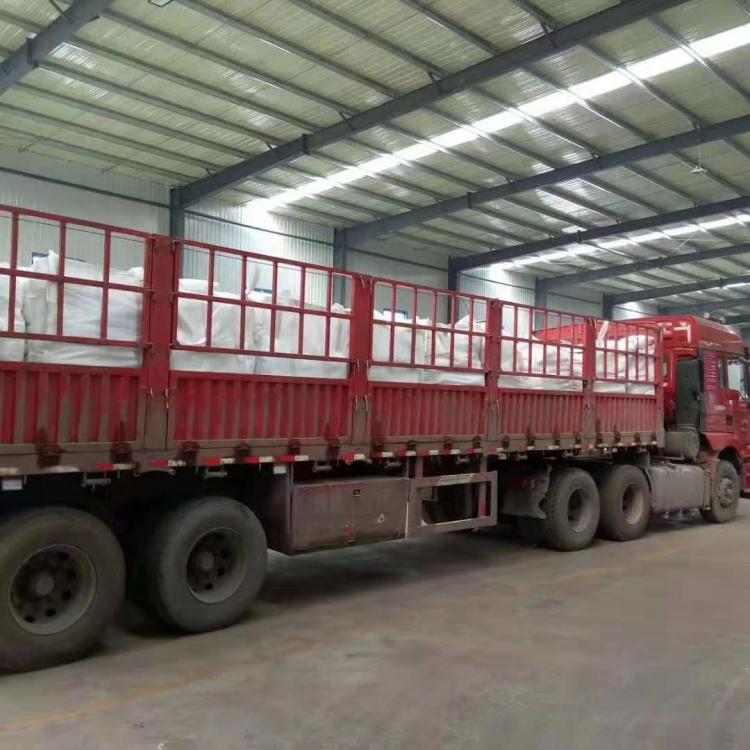
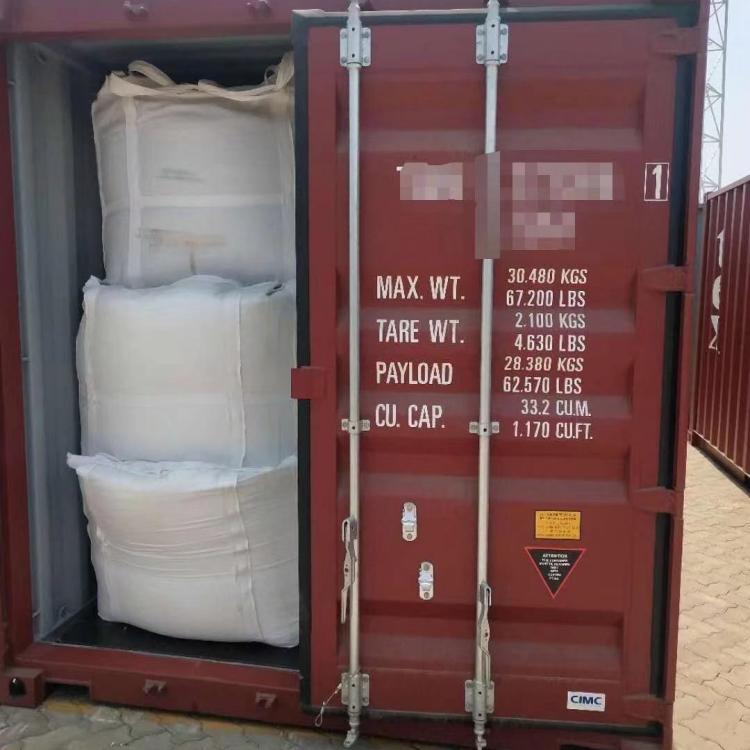
25kg paper-plastic composite bags or 25kg woven plastic bags (FIBCs)