E-mail: sales001@bosschemical.com JINAN BOSS CHEM CO.,LTD
Telephone: +86-15628782329

- All
- Product Name
- Product Keyword
- Product Model
- Product Summary
- Product Description
- Multi Field Search
 |


7647-14-5
bosschemical
7647-14-5
Sodium chloride, universally known as table salt, is an essential ionic compound with the chemical formula NaCl. It represents an equal ratio of sodium and chloride ions. It is vital for cellular function, widely used as a food seasoning and preservative, and serves as a fundamental building block in industrial manufacturing.
Specification | GB/T 1266-2006 | USP 36 |
Content,w/% ≥ | 99.5 | 99-100.5 |
Sulfates,w/% ≤ | 0.002 | 0.02 |
Arsenic(As),w/% ≤ | 0.00005 | 0.0001 |
Heavy metal,w/% ≤ | 0.0005 | 0.0005 |
Iodides,w/% ≤ | 0.002 | Pass Test |
Bromides,w/% ≤ | 0.01 | 0.01 |
Loss on drying,w/% ≤ | 0.5 | 0.5 |
Phosphates,w/% ≤ | 0.001 | 0.0025 |
Industrial Grade:
1. Basic Chemical Raw Material (Soda Ash and Soda Ash Industry): It is the core raw material for manufacturing caustic soda (sodium hydroxide) and soda ash (sodium carbonate). Through electrolysis of saturated brine, chlorine and hydrogen can also be produced, which in turn can be used to manufacture hydrochloric acid, polyvinyl chloride (PVC), etc.
2. Road De-icing Agent: Industrial salt can lower the freezing point of water. In northern winters, large quantities of crude industrial salt are used as road de-icing agents.
3. Soap and Dye Industry: Used in soap manufacturing for "salting out" to separate glycerin and soap base; used as a dyeing accelerator in textile printing and dyeing.
4. Water Treatment Systems: Used for boiler water softening or resin regeneration in household water softeners (through sodium ion exchange of calcium and magnesium ions).
Feed Grade - Livestock and Poultry Feed Additive
Sodium and chlorine are key elements for maintaining osmotic pressure, acid-base balance, and neuromuscular excitability in animals. Appropriate amounts of salt (usually around 0.3% - 0.5%) must be added to feed to promote appetite and prevent pica in livestock.
Food-grade (edible salt)
1. Cooking seasoning and preservation: As the "king of all flavors," it is used for daily cooking seasoning.
2. Utilizing its high osmotic pressure, it is used to marinate meats and vegetables (such as pickles and ham), inhibiting bacterial growth and extending shelf life.
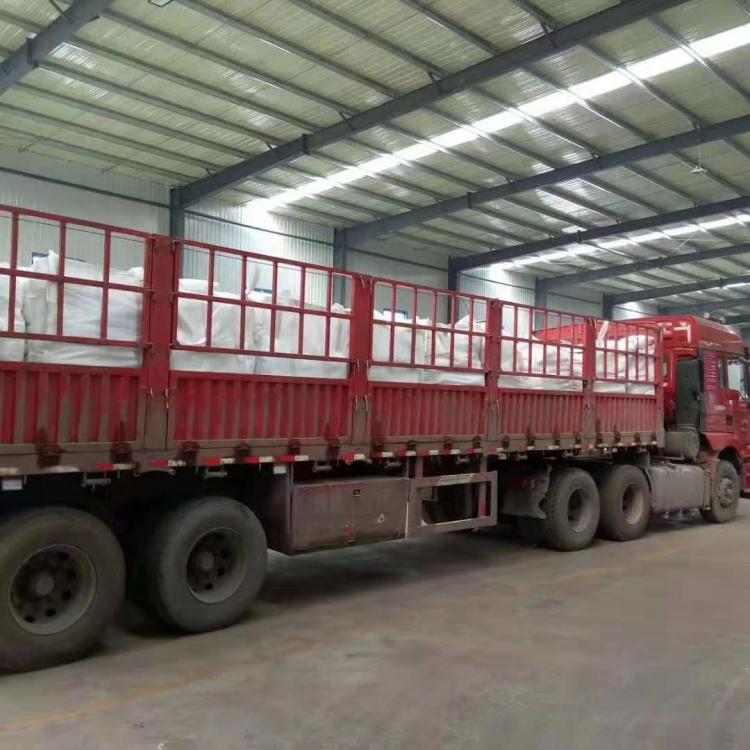
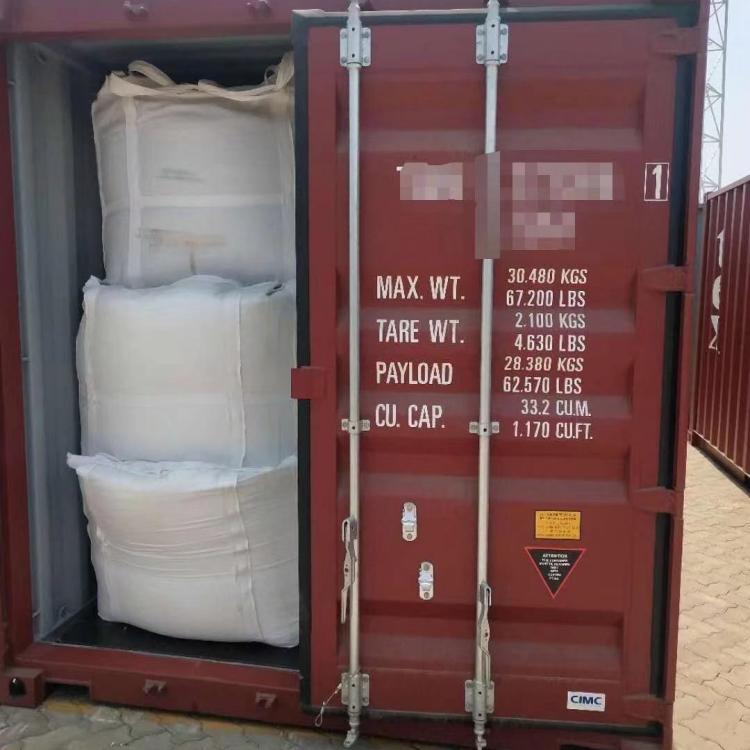
The inner lining is a polyethylene plastic bag, and the outer packaging is a composite plastic woven bag. Each bag weighs 25kg net.

Ultraviolet-Vis Spectrophotometry (UV-Vis)
Infrared Spectroscopy (IR/FTIR)
Atomic Absorption Spectroscopy (AAS)
X-ray Fluorescence Spectroscopy (XRF)
Nuclear Magnetic Resonance Spectroscopy (NMR)
Gas Chromatography (GC)
High Performance Liquid Chromatography (HPLC)
Ion Chromatography (IC)
Thin Layer Chromatography (TLC)
GC-MS / LC-MS/MS: Qualitative and Quantitative Analysis
ICP-MS: Trace Metal Elements (ppb Level)
TOF-MS: Precise Molecular Weight Determination
