E-mail: sales001@bosschemical.com JINAN BOSS CHEM CO.,LTD
Telephone: +86-15628782329

- All
- Product Name
- Product Keyword
- Product Model
- Product Summary
- Product Description
- Multi Field Search
 |


14783-68-7
bosschemical
14783-68-7
Magnesium bisglycinate (also known as magnesium glycinate) is a highly bioavailable, chelated form of magnesium bound to the calming amino acid glycine. It is prized for its superior absorption and for being gentle on the stomach, making it ideal for those seeking muscle relaxation, stress relief, and improved sleep quality without the laxative side effects of other forms
Items | Specifications | Test Results | Test Methods |
Appearance | White crystalline powder | Conforms | In-house |
Magnesium Bisglycinate,w/% | ≥98.0 | 99.78 | In-house |
Magnesium(on dried basis),w/% | ≥11.0 | 11.53 | In-house |
Loss on drying,w/% | ≤1.0 | 0.18 | In-house |
pH(10g/L) | 9.0~11.0 | 10.3 | In-house |
Particle size,w/% | 90% passing 60 mesh | Conforms | In-house |
Food Grade:
1. Sports Muscle and Bone Repair: Targeted at athletes and fitness enthusiasts, used to prevent post-exercise muscle cramps, relieve muscle soreness, and promote muscle recovery.
2. Premium Formula Foods and Beverages: Added to infant formula for pregnant women, nutritional cereals for seniors, and functional "stress-relieving drinks." Compared to other magnesium sources (such as magnesium oxide and magnesium sulfate), it has no bitterness or metallic taste, has an excellent palatability, and does not compromise the original stability of the food.
Feed Grade:
1. Premium Pet Food (Cat/Dog Food): Added to premium prescription pet foods and pet nutritional pastes. Magnesium is an activator of hundreds of enzymes in dogs and cats. Magnesium glycine effectively supplements the magnesium needed by pets while protecting their delicate gastrointestinal tract, preventing soft stools or diarrhea.
2. Livestock Anti-Stress Additive: Adding magnesium glycine to the feed of pigs and cattle during long-distance transport, relocation, or high-temperature seasons can act as a powerful anti-stress agent. It can stabilize the central nervous system of animals and reduce stress-induced meat quality decline (such as preventing the production of PSE pork) and mortality.
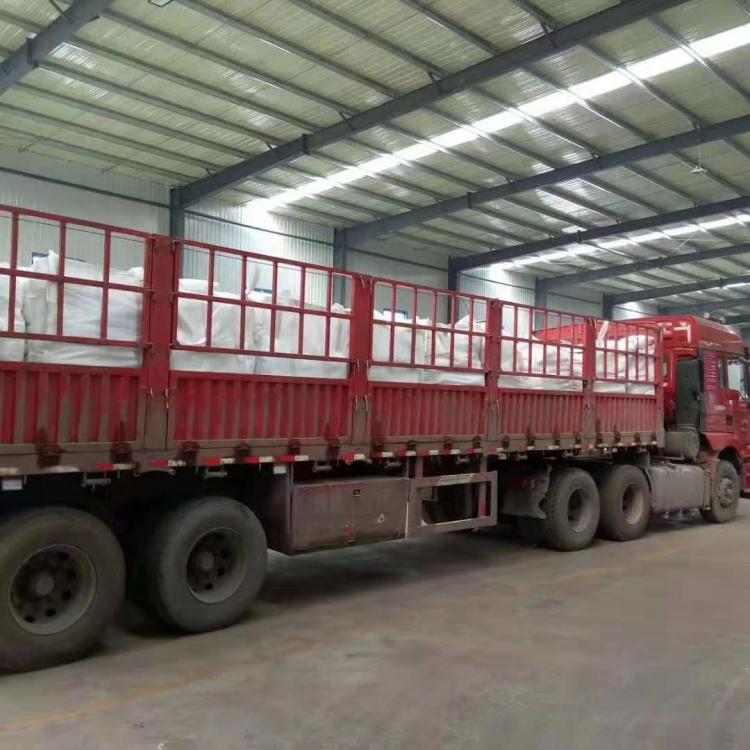
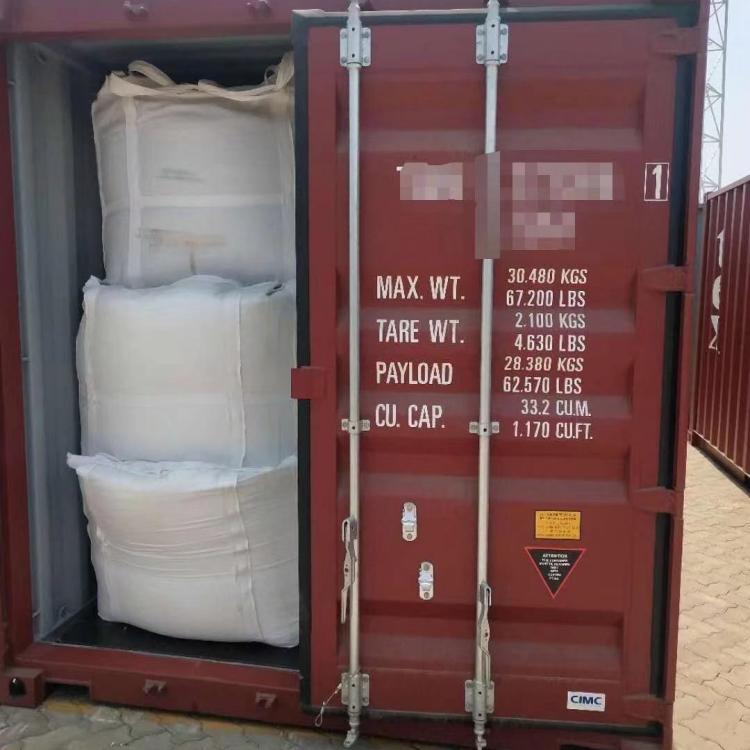
Packaged in plastic woven bags and vacuum bags, each bag contains 25kg net weight.

Ultraviolet-Vis Spectrophotometry (UV-Vis)
Infrared Spectroscopy (IR/FTIR)
Atomic Absorption Spectroscopy (AAS)
X-ray Fluorescence Spectroscopy (XRF)
Nuclear Magnetic Resonance Spectroscopy (NMR)
Gas Chromatography (GC)
High Performance Liquid Chromatography (HPLC)
Ion Chromatography (IC)
Thin Layer Chromatography (TLC)
GC-MS / LC-MS/MS: Qualitative and Quantitative Analysis
ICP-MS: Trace Metal Elements (ppb Level)
TOF-MS: Precise Molecular Weight Determination
