E-mail: sales001@bosschemical.com JINAN BOSS CHEM CO.,LTD
Telephone: +86-15628782329

- All
- Product Name
- Product Keyword
- Product Model
- Product Summary
- Product Description
- Multi Field Search
 |


6381-92-6
bosschemical
6381-92-6
Disodium edetate dihydrate (also known as disodium EDTA) is a highly effective chelating agent used widely to bind divalent metal ions. It operates by trapping free metals in formulations to prevent oxidation, discoloration, and the degradation of sensitive ingredients
Test items | Standard indicators | Test results |
Assay, %, Min | 99.0 | 99.2 |
Chloride (Cl), %, Max | 0.01 | 0.002 |
Sulfate (SO4) Content, %, Max | 0.05 | 0.01 |
Iron (Fe), %, Max | 0.001 | 0.0001 |
Lead (Pb), %, Max | 0.001 | Not Detected |
pH (50 g/L solution, 25 °C) | 4.0–5.0 | 4.38 |
Chelating value, mg CaCO₃/g, Min | 265 | 266 |
Appearance | White crystalline powder | White crystalline powder |
Daily Chemical Grade: The ingredient lists of shampoos, shower gels, toners, and facial cleansers almost always include "disodium EDTA" in the last few lines.
1. Resisting Hard Water Interference: Tap water contains calcium and magnesium ions (hard water). When you wash your face or hair, these ions combine with the surfactants in the cleanser, reducing foaming and cleaning power. Disodium EDTA can preemptively remove these calcium and magnesium ions, ensuring smooth foaming and maintaining excellent cleansing properties regardless of water quality.
2. Preservative and Antioxidant Function: Trace amounts of copper and iron ions can catalyze the oxidation of oil components in cosmetics, causing the product to become acidic, discolored, and develop an off-flavor, while also promoting bacterial growth. Disodium EDTA locks in these metal ions, indirectly enhancing the product's preservative system and extending shelf life.
Food Grade: Food Additives, Stabilizers, and Coagulants
1. Preventing Discoloration and Rancidity: Used in canned foods (such as mushrooms, canned fruits and vegetables), oils, nuts, and beverages. It can prevent food oxidation and discoloration catalyzed by trace iron and copper ions (such as preventing browning in canned potatoes and apples) and oil rancidity.
2. Water Conditioning: In beverage processing, it is used to eliminate off-flavors or turbidity caused by trace metal ions in raw water (water-based).
Industrial Grade:
1. Boiler and Pipe Descaling: As a core descaling agent, it can dissolve calcium and magnesium scale that has already formed in boilers, heat exchangers, and industrial pipelines.
2. Textile Printing and Dyeing: During the scouring and dyeing process of fabrics, heavy metal ions in the water can cause dye precipitation, uneven color, or spots. Adding disodium EDTA ensures uniform dyeing and bright colors.
3. Aquaculture Detoxification: In the early stages of shrimp, crab, and other aquaculture seedling or farming, if the water source is contaminated with heavy metals (such as copper and zinc), or if pesticide damage occurs after frequent use of copper sulfate, farmers will pour disodium EDTA into the pond. It can quickly chelate heavy metal ions in the water, reduce water toxicity, and improve seedling survival rates. 4. Electroplating and electroless plating: In cyanide-free electroplating, it acts as a complexing agent to stabilize the concentration of metal ions in the plating solution, resulting in a more uniform and bright coating.
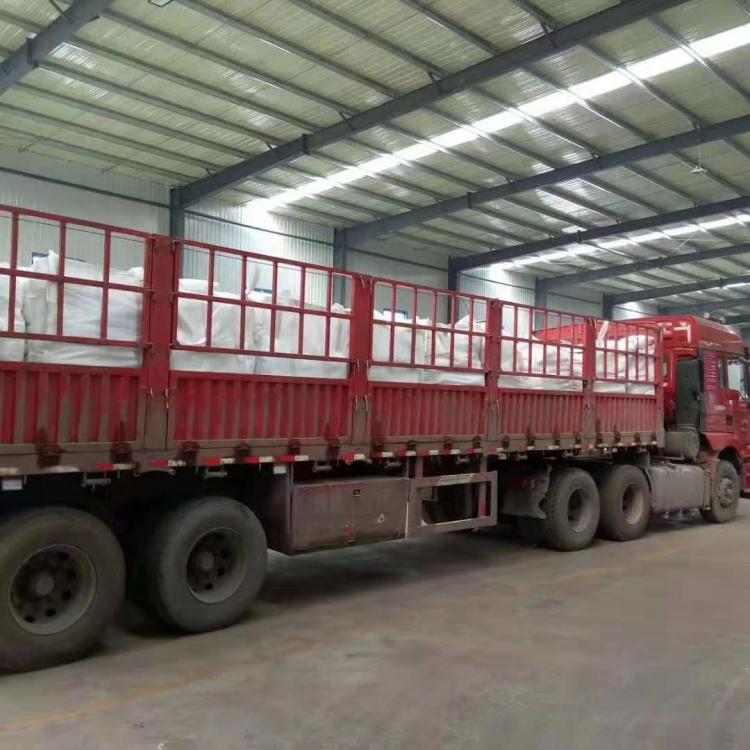
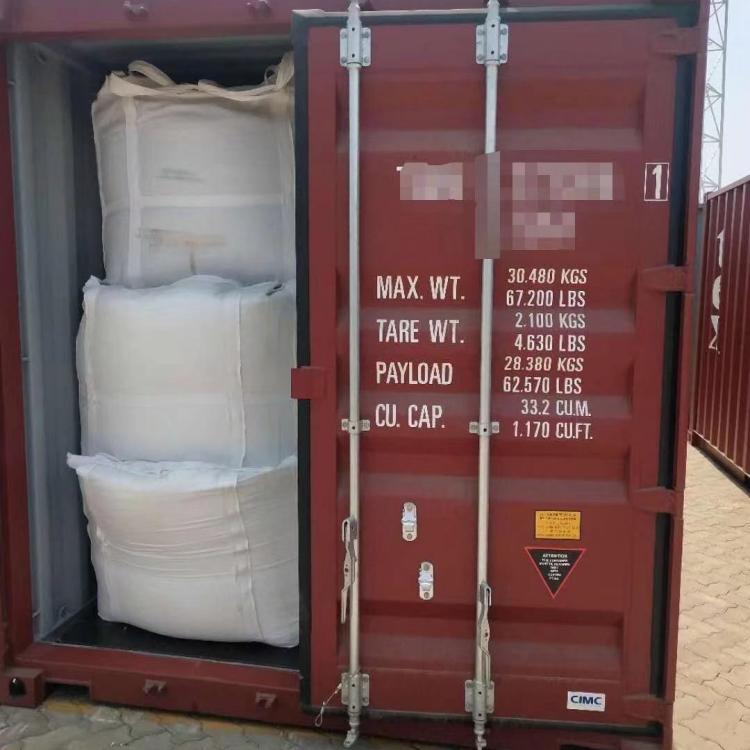
The inner lining is a polyethylene plastic bag, and the outer lining is a plastic woven bag, each bag weighing 25 kg.

Ultraviolet-Vis Spectrophotometry (UV-Vis)
Infrared Spectroscopy (IR/FTIR)
Atomic Absorption Spectroscopy (AAS)
X-ray Fluorescence Spectroscopy (XRF)
Nuclear Magnetic Resonance Spectroscopy (NMR)
Gas Chromatography (GC)
High Performance Liquid Chromatography (HPLC)
Ion Chromatography (IC)
Thin Layer Chromatography (TLC)
GC-MS / LC-MS/MS: Qualitative and Quantitative Analysis
ICP-MS: Trace Metal Elements (ppb Level)
TOF-MS: Precise Molecular Weight Determination
