E-mail: sales001@bosschemical.com JINAN BOSS CHEM CO.,LTD
Telephone: +86-15628782329

- All
- Product Name
- Product Keyword
- Product Model
- Product Summary
- Product Description
- Multi Field Search
 |


4075-81-4
bosschemical
4075-81-4
Calcium propionate is a widely used, FDA-approved food preservative (E282) that extends the shelf life of baked goods, dairy, and processed meats by inhibiting mold and bacteria growth. It is considered safe by global health organizations and naturally breaks down into calcium and propionic acid
Check Item | Specification | Analysis Result |
Content (dried substance), % | 98.0–100.5 | 99.24 |
Loss on drying, %, max | 5.0 | 3.01 |
pH (10% aqueous solution) | 7.5–10.5 | 8.31 |
Insoluble in water, %, max | 0.2 | <0.2 |
Free acid and Free alkalinity | PASS | PASS |
Heavy metals (as Pb), mg/kg, max | 2 | <2 |
Iron (as Fe), %, max | 0.005 | <0.005 |
Fluoride (as F), %, max | 0.003 | <0.003 |
Magnesium (as MgO) | PASS (≤0.4%) | PASS |
Food Grade:
1. Bread and Baked Goods: Calcium propionate is known as a "dedicated preservative for bread." It is highly effective against molds and Rhizoctonia solani (a bacterium that causes bread and cake spoilage), but has almost no inhibitory effect on yeast activity. This means it can be added directly during the dough-making stage, extending the shelf life of bread without hindering its normal fermentation and expansion.
2. Flour Product Improvement: Used in wet noodles, wonton wrappers, dumpling wrappers, bean products, rice cakes, and Chinese pastries (such as mooncakes) to prevent rapid mold growth in humid environments.
3. Calcium Supplement: In addition to its preservative properties, it also acts as a calcium fortifier in flour products, enhancing their nutritional value.
Feed Grade:
1. Mold Prevention in Complete Livestock Feeds: Widely added to compound feeds and ruminant feeds for chickens, pigs, cattle, and other livestock. It effectively prevents feed from becoming moldy due to moisture during storage, transportation, or in feed troughs, blocking the production of aflatoxin and protecting the animal's intestines.
2. Preservation of silage: Adding it during the production of silage (such as silage corn) can significantly inhibit the growth of mold and other bacteria, while preserving the nutritional components and palatability of the feed.
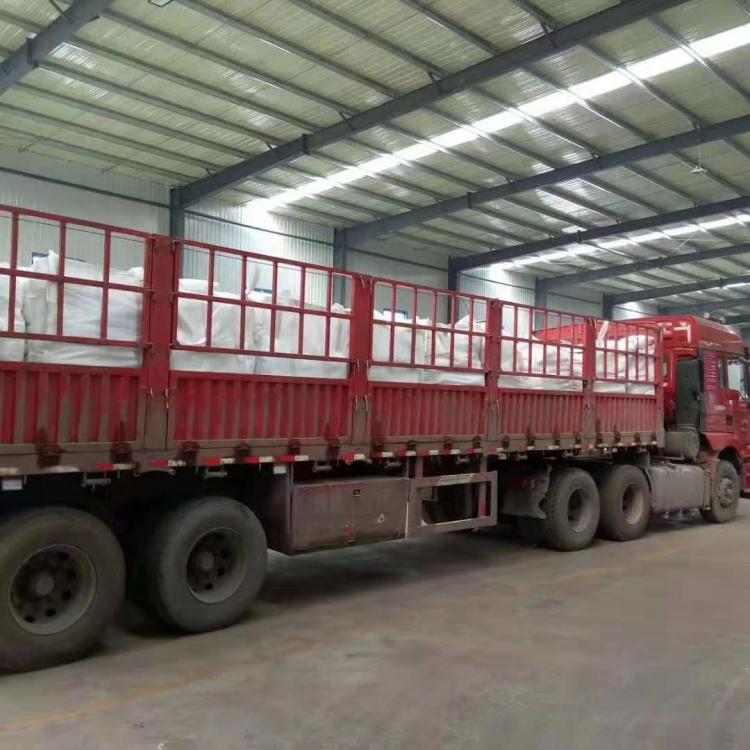
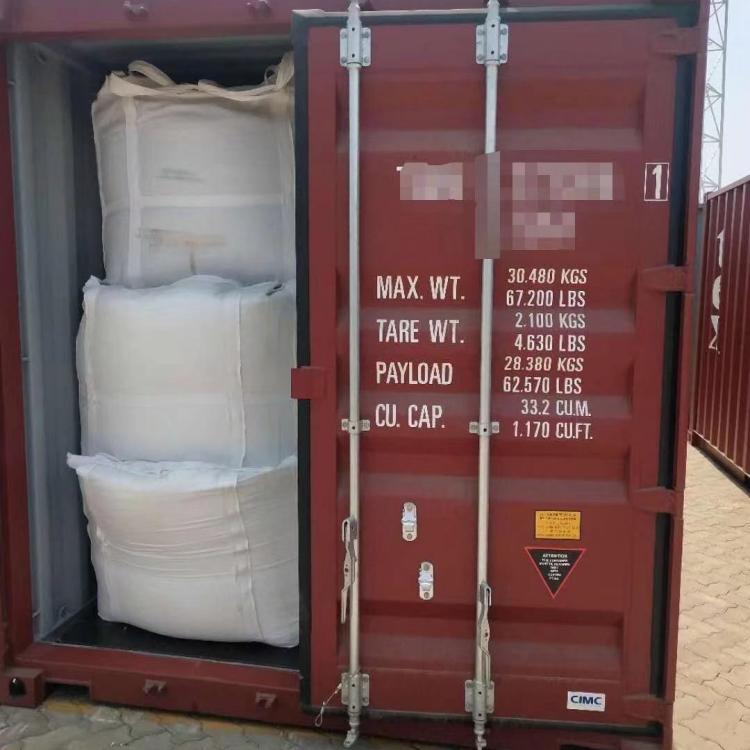
Each box contains 10kg net weight, 20 bags per box, each bag weighing 500g, or 10 bags per box, each bag weighing 1000g, or an inner polyethylene plastic bag and an outer composite plastic woven bag, each bag weighing 25kg net weight.

Ultraviolet-Vis Spectrophotometry (UV-Vis)
Infrared Spectroscopy (IR/FTIR)
Atomic Absorption Spectroscopy (AAS)
X-ray Fluorescence Spectroscopy (XRF)
Nuclear Magnetic Resonance Spectroscopy (NMR)
Gas Chromatography (GC)
High Performance Liquid Chromatography (HPLC)
Ion Chromatography (IC)
Thin Layer Chromatography (TLC)
GC-MS / LC-MS/MS: Qualitative and Quantitative Analysis
ICP-MS: Trace Metal Elements (ppb Level)
TOF-MS: Precise Molecular Weight Determination
