E-mail: sales001@bosschemical.com JINAN BOSS CHEM CO.,LTD
Telephone: +86-15628782329

- All
- Product Name
- Product Keyword
- Product Model
- Product Summary
- Product Description
- Multi Field Search
 |


7446-20-0
bosschemical
7446-20-0
Zinc sulfate heptahydrate (ZnSO₄ ⋅ 7H₂O), historically known as white vitriol, is a highly soluble, colorless crystalline compound. It is primarily used as a dietary supplement for zinc deficiencies, as an agricultural fertilizer, and in industrial applications like electroplating and water treatment.
Test Item | Test Standard | Test Result | Conclusion |
Appearance | White free flowing powder | White free flowing powder | Pass |
Zinc Sulphate Content, % ≥ | 96.09 | 96.44 | Pass |
Zinc (Zn), % ≥ | 35 | 35.13 | Pass |
Lead (Pb), mg/kg ≤ | 10 | 0.5 | Pass |
Cadmium (Cd), mg/kg ≤ | 10 | 4.2 | Pass |
Arsenic (As), mg/kg ≤ | 5 | 0.3 | Pass |
Particle SizeSieve passing rate (250μm screen), % ≥ | 95 | 98.2 | Pass |
Industrial Grade
Metal Surface Electroplating (Zinc): Zinc sulfate heptahydrate is the main salt in acidic zinc plating processes (especially for steel wire, steel plates, and continuous galvanizing lines). Due to its rapid water solubility, it quickly releases a high concentration of zinc ions in the electroplating bath, rapidly depositing a uniform and dense anti-corrosion zinc layer at the cathode.
Artificial Viscose Fiber (Textile) Coagulation Bath: In the spinning process of rayon and viscose fibers, zinc sulfate heptahydrate is a key component of the coagulation bath. It slows down the regeneration rate of cellulose in viscose, thereby significantly improving the tensile strength, flexibility, and dyeing properties of artificial fibers.
Fine Chemicals (Litter and Mordants): It is the core raw material for manufacturing the white inorganic pigment zinc barium white (lithopone); in the printing and dyeing industry, it is used as a mordant to help reactive dyes adhere firmly to cotton and wool fibers.
Agricultural Grade
Follicular Spraying and Fertilizer Integration: Zinc is an essential trace element for plant synthesis of growth hormones. Zinc deficiency in corn can cause "white bud disease/white seedling disease," while in fruit trees such as apples and citrus, it can cause "small leaf disease/burl leaf disease." Zinc sulfate heptahydrate, due to its high solubility and rapid effect, is ideally suited for foliar spraying or application via drip irrigation systems for "water and fertilizer integration," promoting rapid recovery of new shoots and leaves.
Seed soaking and coating: Soaking or coating rice and wheat seeds with a trace amount of zinc sulfate heptahydrate solution before sowing can significantly improve germination rates and enhance seedling cold and disease resistance.
Feed grade
Supplementation in liquid or complete feeds for livestock and poultry: Zinc activates hundreds of metabolic enzymes in animals. Appropriate addition to feeds for pigs, chickens, and cattle can promote growth. Although monohydrate zinc sulfate is more commonly used in solid premixes, zinc sulfate heptahydrate, due to its lower cost, is still widely used in the direct formulation of liquid feed additives or in bulk feeds that are not sensitive to moisture, significantly preventing weaning diarrhea in piglets and giving livestock "red skin and shiny coat." Food grade. Water and food fortification: Used as a zinc fortifier in some mineral bottled waters and functional milk beverages.
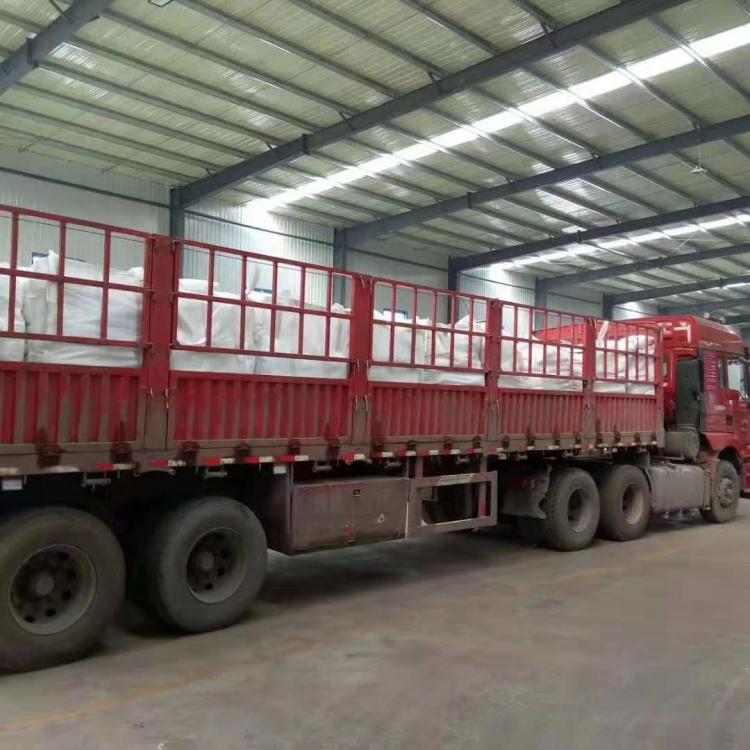
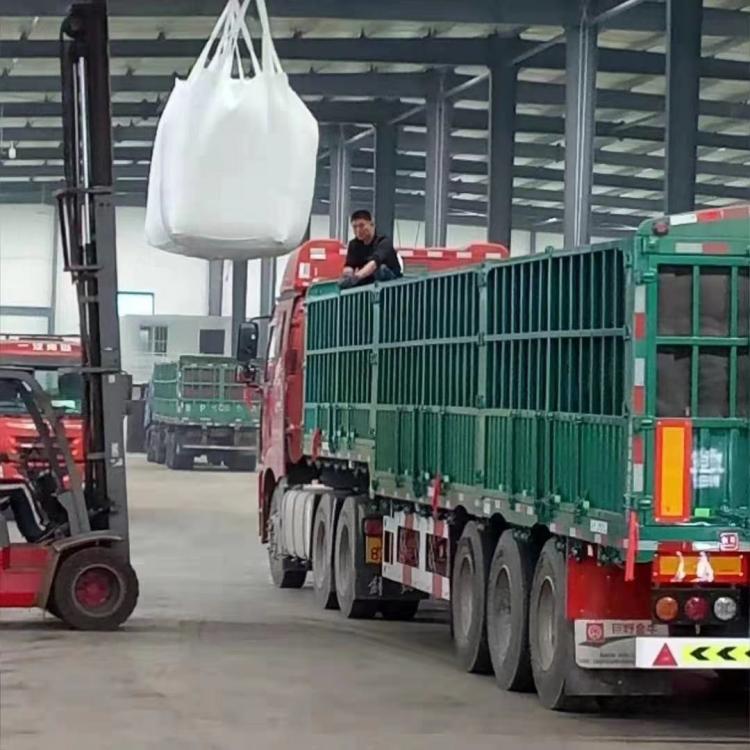
The inner lining is a polyethylene plastic bag, and the outer packaging is a composite plastic woven bag. Each bag weighs 25kg net.



Ultraviolet-Vis Spectrophotometry (UV-Vis)
Infrared Spectroscopy (IR/FTIR)
Atomic Absorption Spectroscopy (AAS)
X-ray Fluorescence Spectroscopy (XRF)
Nuclear Magnetic Resonance Spectroscopy (NMR)
Gas Chromatography (GC)
High Performance Liquid Chromatography (HPLC)
Ion Chromatography (IC)
Thin Layer Chromatography (TLC)
GC-MS / LC-MS/MS: Qualitative and Quantitative Analysis
ICP-MS: Trace Metal Elements (ppb Level)
TOF-MS: Precise Molecular Weight Determination
