E-mail: sales001@bosschemical.com JINAN BOSS CHEM CO.,LTD
Telephone: +86-15628782329

- All
- Product Name
- Product Keyword
- Product Model
- Product Summary
- Product Description
- Multi Field Search
 |


7758-29-4
bosschemical
7758-29-4
Sodium tripolyphosphate (STPP) is an odorless, white inorganic salt (Na₅P₃O₁₀) used globally as a cleaning builder in detergents, a food preservative and texture modifier, and an industrial water softener.
Food-grade
project | metric |
colour and lustre | white |
state | Granular or powdered |
Sodium tripolyphosphate (Na₅P₃O₁₀) content, w/% ≥ | 85.0 |
Total phosphates (as P₂O₅), w/% | 56.0~58.0 |
Water-insoluble substances, w/% ≤ | 0.1 |
pH (in a 10 g/L aqueous solution) | 9.1~10.1 |
Fluorine (F)/(mg/kg) ≤ | ≤20.0 |
Lead (Pb) / (mg/kg) ≤ | ≤2.0 |
Arsenic (As) / (mg/kg) ≤ | ≤3 |
Heavy metals (expressed as Pb) / (mg/kg) ≤ | ≤10 |
technical grade
project | metric |
surface | White powder or granules |
Sodium tripolyphosphate (Na₅P₃O₁₀), w/% ≥ | 90.0 |
Phosphorus pentoxide (P₂O₅), w/% ≥ | 56.5 |
Water-insoluble substances, w/% ≤ | 0.10 |
pH value (1% solution) | 9.2~10.3 |
Whiteness /% ≥ | 85 |
Iron (Fe), w/% ≤ | 0.015 |
Particle size: does not pass 20 mesh; w/% ≤ | 5.0 |
Industrial grade
1. Detergent: It is an important and efficient additive in heavy-duty laundry detergent, dishwasher detergent, and industrial metal cleaning agent. First, it can strongly chelate calcium and magnesium ions in the water (softening hard water), so that the surfactant can maximize the washing efficiency; second, it can emulsify and disperse oil stains in the water, preventing dirt from being redeposited on clothing or metal surfaces; third, it provides an alkaline buffer to maintain the pH value of the washing liquid.
2. Industrial water treatment and boiler softened water: used as a scale inhibitor in cooling circulating water and power plant boiler water to inhibit the formation of calcium and magnesium scale.
3. Ceramic industry (water reducing agent/decoagulant): In the preparation of ceramic mud and glaze, adding a trace amount of STPP can significantly reduce the viscosity of the mud and improve the fluidity of the mud (decoagulant effect). This can make the ceramic body denser and more uniform while reducing water consumption (saving sintering energy consumption).
4. Papermaking, textile and oil drilling industries:
Papermaking: Used as a complexing agent during pulp bleaching to prevent metal ions such as iron from turning the pulp yellow.
Textile printing and dyeing: As a water softener and refining auxiliary, it ensures uniform dye coloring and improves color fastness.
Oil drilling mud: used in oil drilling to adjust the rheology of drilling mud, reduce mud viscosity, and prevent drill sticking.
Food grade: Mainly used as moisture retaining agent, quality improver and pH regulator.
1. Meat product processing (ham, sausage, bacon): STPP can react specifically with the myofibrillar protein in the meat, increase the pH value of the meat, and promote the dissolution of salt-soluble proteins in the muscle. Greatly enhances the water-holding capacity of meat products. It allows ham and sausages to remain elastic, tender and juicy after heating and freezing, significantly improves slicing properties and reduces processing losses.
2. Preservation of aquatic products and seafood (shrimp, surimi, scallops): soaking seafood in its solution before freezing can prevent cell rupture and massive water loss (defrost loss) of seafood during the freezing and thawing process, and maintain the original flavor and plump appearance of the seafood.
3. Instant noodles and rice noodle products: When added to instant noodles and dried noodles, it can accelerate the rehydration of the dough, enhance the rehydration, toughness and elasticity of the noodles, making the noodles have a smooth texture after being cooked, and are not easy to break or mix with soup.
4. Dairy products and beverage stabilizers: Added to juice, soy milk, and milk drinks, it can prevent proteins from agglomerating and stratifying in acidic or heated environments, and plays the role of suspension stability and anti-sedimentation; used as emulsifying salt in processed cheese.
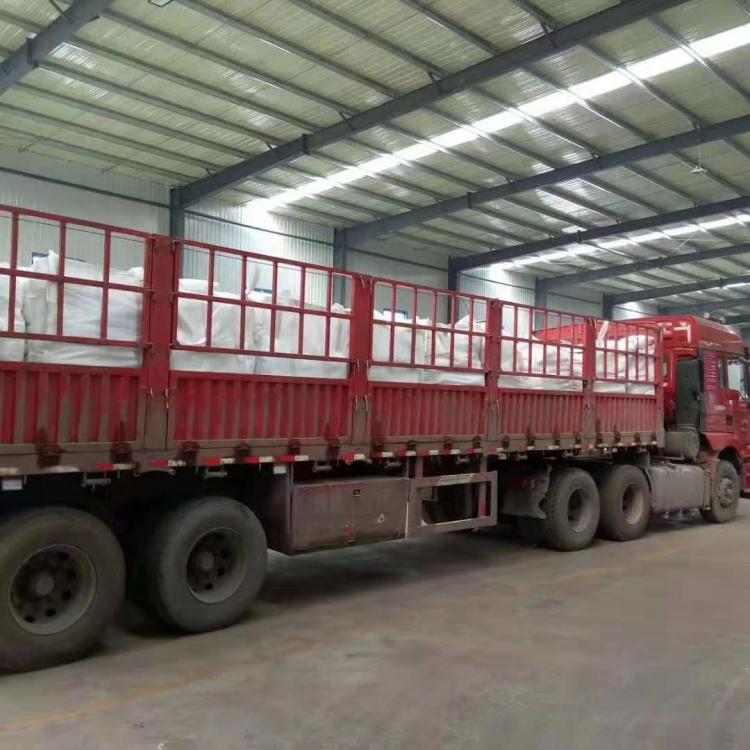
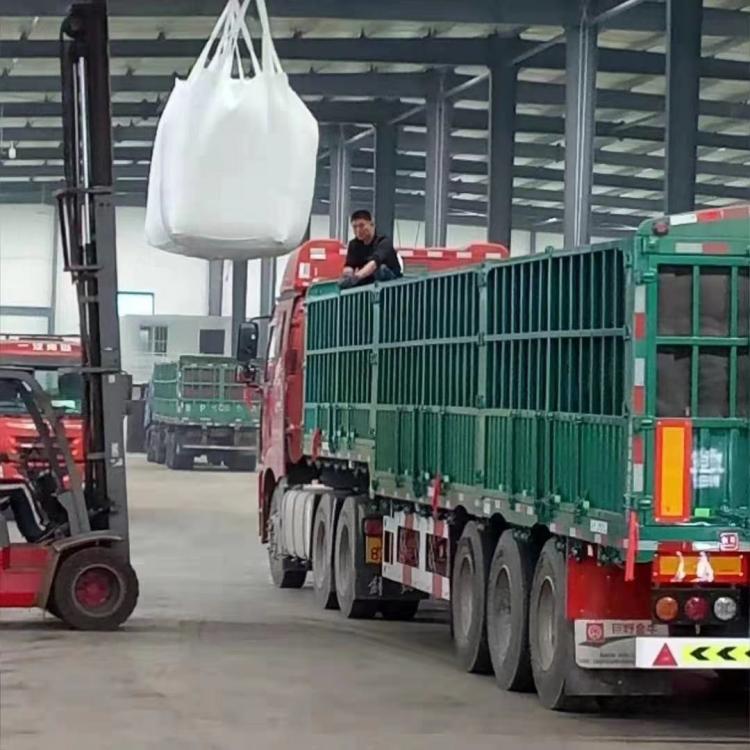
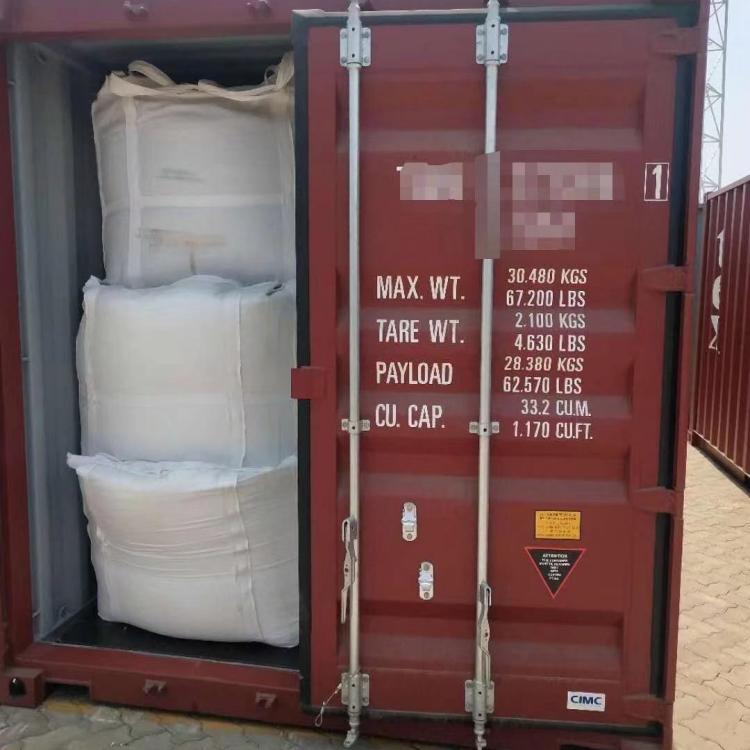
25kg paper-plastic composite bag, 25kg plastic woven bag, ton bag
Ultraviolet-Vis Spectrophotometry (UV-Vis)
Infrared Spectroscopy (IR/FTIR)
Atomic Absorption Spectroscopy (AAS)
X-ray Fluorescence Spectroscopy (XRF)
Nuclear Magnetic Resonance Spectroscopy (NMR)
Gas Chromatography (GC)
High Performance Liquid Chromatography (HPLC)
Ion Chromatography (IC)
Thin Layer Chromatography (TLC)
GC-MS / LC-MS/MS: Qualitative and Quantitative Analysis
ICP-MS: Trace Metal Elements (ppb Level)
TOF-MS: Precise Molecular Weight Determination
