E-mail: sales001@bosschemical.com JINAN BOSS CHEM CO.,LTD
Telephone: +86-15628782329

- All
- Product Name
- Product Keyword
- Product Model
- Product Summary
- Product Description
- Multi Field Search
 |


13977-65-6
bosschem
13977-65-6
Monopotassium phosphite (KH₂PO₃) is a highly soluble inorganic salt utilized in agriculture as a systemic fungicide and nutrient supplement. It delivers highly bioavailable phosphorus and potassium to plants while stimulating their natural immune systems to combat oomycete and fungal diseases like Phytophthora and downy mildew.
NO. | ITEMS | STANDARD | RESULTS |
1 | Appearance | White crystal | White crystal |
2 | Content | 98%min | 98.67% |
3 | Chloride | 0.005%max | <0.005% |
4 | iron content | 0.005%max | <0.005% |
5 | heavy metal (as Pb) | 0.001%max | <0.001% |
6 | 10% aqueous solution | 4~5 | 4.2 |
7 | Water insoluble substance | 0.05%max | 0.0015 |
8 | Water solubility test | Water clear | Water clear |
9 | Loss on drying(105℃) | 1.0%max | 0.53% |
Agricultural Grade:
1. Plant Disease Resistance Inducer: The phosphite in potassium dihydrogen phosphate directly inhibits the growth of pathogens. More importantly, it activates the crop's own immune system (inducing the production of phytoalexins), providing excellent control and prevention against oomycete diseases (such as citrus canker, grape downy mildew, potato late blight, pepper blight, root rot, etc.) and is less likely to induce resistance.
2. Shoot Control, Flower Promotion, and Fruit Coloring: In the growth management of fruit trees (such as citrus, apple, grape, and lychee), it is often used in the mid-to-late stages.
Shoot Control: Spraying during the new shoot stage accelerates shoot maturation, controls excessive growth, and reduces nutrient consumption.
Flower Promotion and Flower Bud Differentiation: Promotes flower bud differentiation, increases pollen viability, and helps retain flowers and fruits.
Fruit Enlargement and Coloring: The extremely high potassium and active phosphorus content significantly promotes fruit sugar accumulation, advances coloring, makes the peel smooth, and extends shelf life.
3. Enhance crop stress resistance (frost and drought resistance): After spraying, it can regulate the opening and closing of leaf stomata, enhancing the crop's resistance to cold, drought, and hot, dry winds. It is widely used in preventing late spring frosts and winter frost damage.
Industrial Grade:
1. Heat stabilizer and antioxidant: Used as an antioxidant additive in the processing of plastics (such as nylon, polyvinyl chloride, PVC, and polycarbonate PC) and synthetic fibers. It effectively intercepts thermal oxygen free radicals generated during high-temperature processing, preventing plastic products from yellowing, becoming brittle, and aging.
2. Industrial water treatment and scale and corrosion inhibitor: Used as a reducing chelating agent in industrial circulating cooling water systems and boiler water treatment. It can form stable complexes with hardness ions such as calcium, magnesium, and iron in water, preventing scale buildup in pipes. Simultaneously, it forms a microscopic passivation protective film on metal surfaces, playing a role in rust prevention and corrosion inhibition.
3. Textile printing and dyeing: Used as a whitening auxiliary agent for special fibers in the textile industry.
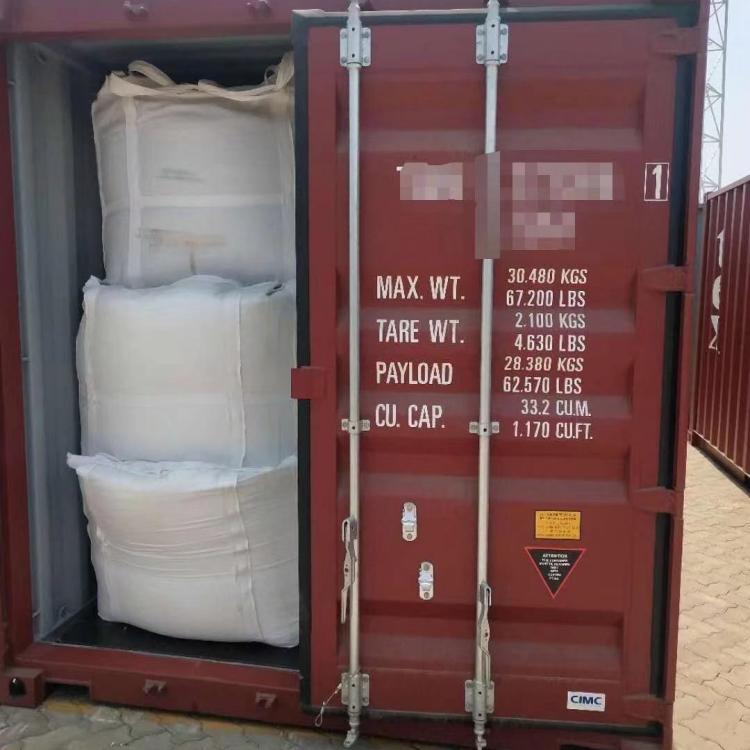
Production capacity: 3000 tons/year. Packaging: 25 kg woven plastic bag with plastic lining, net weight 25 kg.


Ultraviolet-Vis Spectrophotometry (UV-Vis)
Infrared Spectroscopy (IR/FTIR)
Atomic Absorption Spectroscopy (AAS)
X-ray Fluorescence Spectroscopy (XRF)
Nuclear Magnetic Resonance Spectroscopy (NMR)
Gas Chromatography (GC)
High Performance Liquid Chromatography (HPLC)
Ion Chromatography (IC)
Thin Layer Chromatography (TLC)
GC-MS / LC-MS/MS: Qualitative and Quantitative Analysis
ICP-MS: Trace Metal Elements (ppb Level)
TOF-MS: Precise Molecular Weight Determination
