E-mail: sales001@bosschemical.com JINAN BOSS CHEM CO.,LTD
Telephone: +86-15628782329

- All
- Product Name
- Product Keyword
- Product Model
- Product Summary
- Product Description
- Multi Field Search
 |


137-40-6
bosschem
137-40-6
Sodium propionate is the sodium salt of propionic acid (Na(C₂H₅COO)). It is widely used as an antimicrobial agent and preservative. It actively prevents the growth of mold and some bacteria in perishable items like baked goods, cheeses, and processed meats.
Indicationname | GB25549-2010 | FCCV |
appearance | --- | White crystalline or crystalline powder: |
Differential test | ---- | A. lin 20 solution gives positive test s for Sodium |
Content % | 99.0-100.5 | 99.0-100.5 |
Sodium % | -- | -- |
Iron ≤ % | 0.003 | 0.003 |
Arsenic ≤ % | 0.0003 | -- |
Heavy metals ≤ % | 0.001 | -- |
alkali | Accord with the test | Accord with the test |
Moisture content ≤ % | 1 | 1 |
Lead ≤ mg/kg | -- | 2 |
Food Grade:
1. Chinese Pastries and Steamed Cakes: Calcium propionate, containing calcium ions, reacts with sodium bicarbonate (baking soda) in leavening agents, reducing its leavening effect and hardening the pastries. Sodium propionate, however, does not react with leavening agents, making it the ideal preservative for various cakes, mooncakes, steamed cakes, and Chinese pastries.
2. Preservation and Mold Prevention of Bayberries and Fruits: Sodium propionate is highly water-soluble and is often prepared into high-concentration aqueous solutions for post-harvest soaking or spraying to preserve bayberries, citrus fruits, and other fruits, effectively preventing mold formation during transportation.
3. Soy Sauce and Vinegar: Utilizing its high solubility, it can be directly added to liquid condiments to prevent the formation of a white film (mold contamination) on the surface. 4. Bread Industry: Also used as a bread preservative. Although it doesn't harm yeast like calcium propionate, it slightly increases sodium intake, and its preservative effect in bread is slightly less than calcium propionate. Therefore, calcium propionate is more commonly used in bread, while sodium propionate dominates the cake and Chinese pastry market.
Feed Grade: Primarily used in livestock for mold prevention and animal metabolic regulation.
1. Liquid Feed and Drinking Water Immunization and Mold Prevention: Due to its extremely high solubility in water, sodium propionate is ideal for adding to liquid feed, water-soluble nutritional pastes, or animal drinking water systems for mold prevention. Insoluble calcium propionate, on the other hand, easily precipitates and clogs pipes in liquids.
2. Ruminant Animal (Dairy Cows, Sheep) Energy Supplement: After entering the ruminant body, sodium propionate is directly converted into propionic acid in the rumen and then into glucose in the liver. Therefore, it is often used as a functional feed additive specifically for the prevention and treatment of postpartum ketosis and fatty liver in dairy cows, providing rapid energy replenishment for postpartum dairy cows.
3. Mold Prevention in Grains and Complete Feeds: When mixed into livestock and poultry feed, it inhibits backflow mold and blocks aflatoxin.
Industrial Grade - Mold Prevention in Clay, Brick Making, and Building Materials:
In industrial manufacturing, certain wet-processed clays, ceramic slurries, or building coatings are highly susceptible to mold growth during storage. Adding industrial-grade sodium propionate effectively inhibits mold growth without affecting the colloidal properties of the clay, unlike calcium salts.
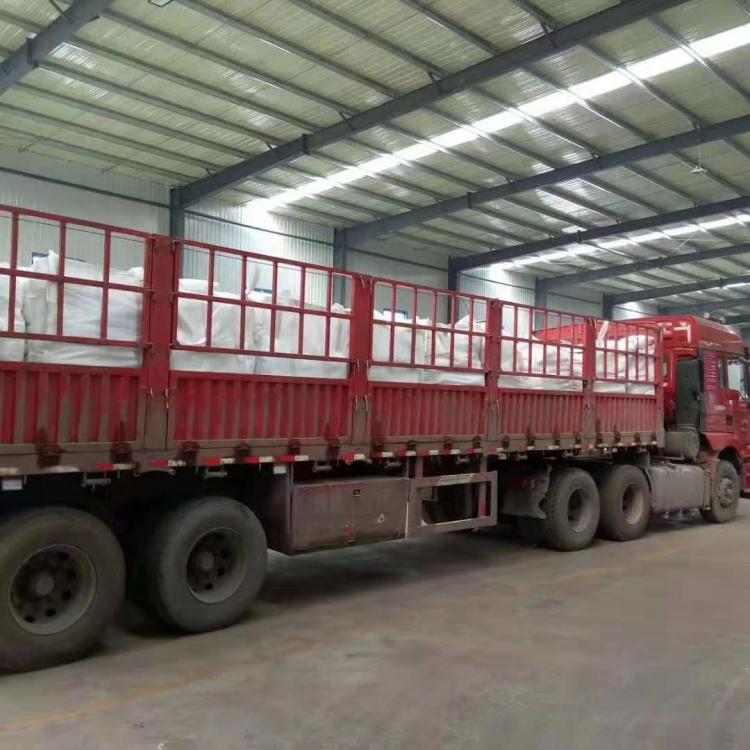
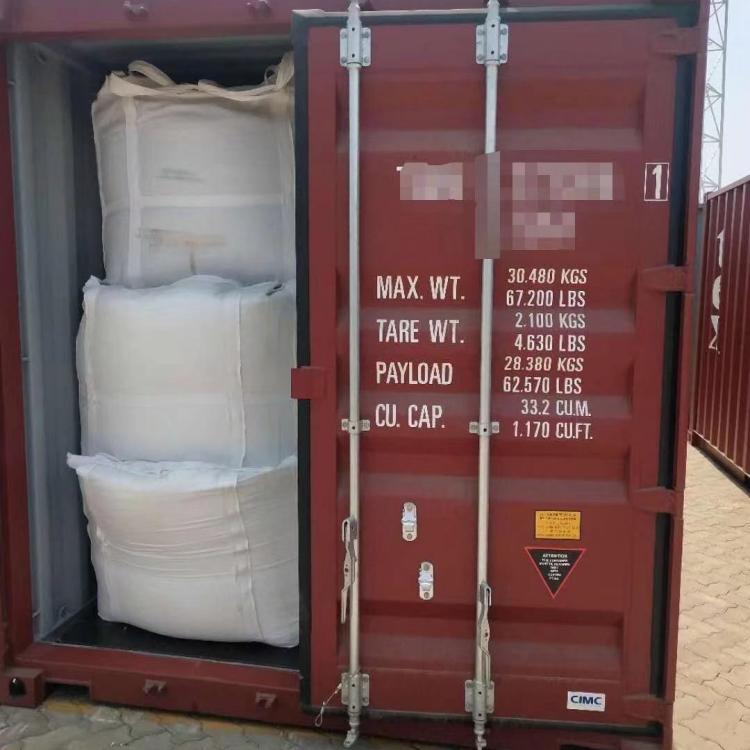
The inner lining is a polyethylene plastic bag, and the outer lining is a woven plastic bag. Each bag weighs 25 kg net.

Ultraviolet-Vis Spectrophotometry (UV-Vis)
Infrared Spectroscopy (IR/FTIR)
Atomic Absorption Spectroscopy (AAS)
X-ray Fluorescence Spectroscopy (XRF)
Nuclear Magnetic Resonance Spectroscopy (NMR)
Gas Chromatography (GC)
High Performance Liquid Chromatography (HPLC)
Ion Chromatography (IC)
Thin Layer Chromatography (TLC)
GC-MS / LC-MS/MS: Qualitative and Quantitative Analysis
ICP-MS: Trace Metal Elements (ppb Level)
TOF-MS: Precise Molecular Weight Determination
